1. Understand the type of material being conveyed
The first step is to identify the goods that will travel on the conveyor. Their shape, weight, and properties determine the most suitable type of conveyor.
For flat-bottomed cartons and pallets, a roller conveyor is usually the most efficient choice. For bulk materials, sacks, or food products, a belt conveyor with food-grade material is a better fit because its surface is flat and easy to clean.
Also note the hourly capacity, route length, and whether the line needs to incline or curve. This data makes the design and quotation far more accurate.
2. Choose a local fabrication partner (Surabaya / Sidoarjo)
A conveyor is a long-term asset that needs maintenance. A local partner makes technical support much faster: technicians from Sidoarjo can reach a factory in Surabaya in less than an hour.
Shipping costs for heavy steel structures are also lower, and a site survey can be carried out before the final design, so the dimensions fit your production floor exactly.
3. Plan for future automation
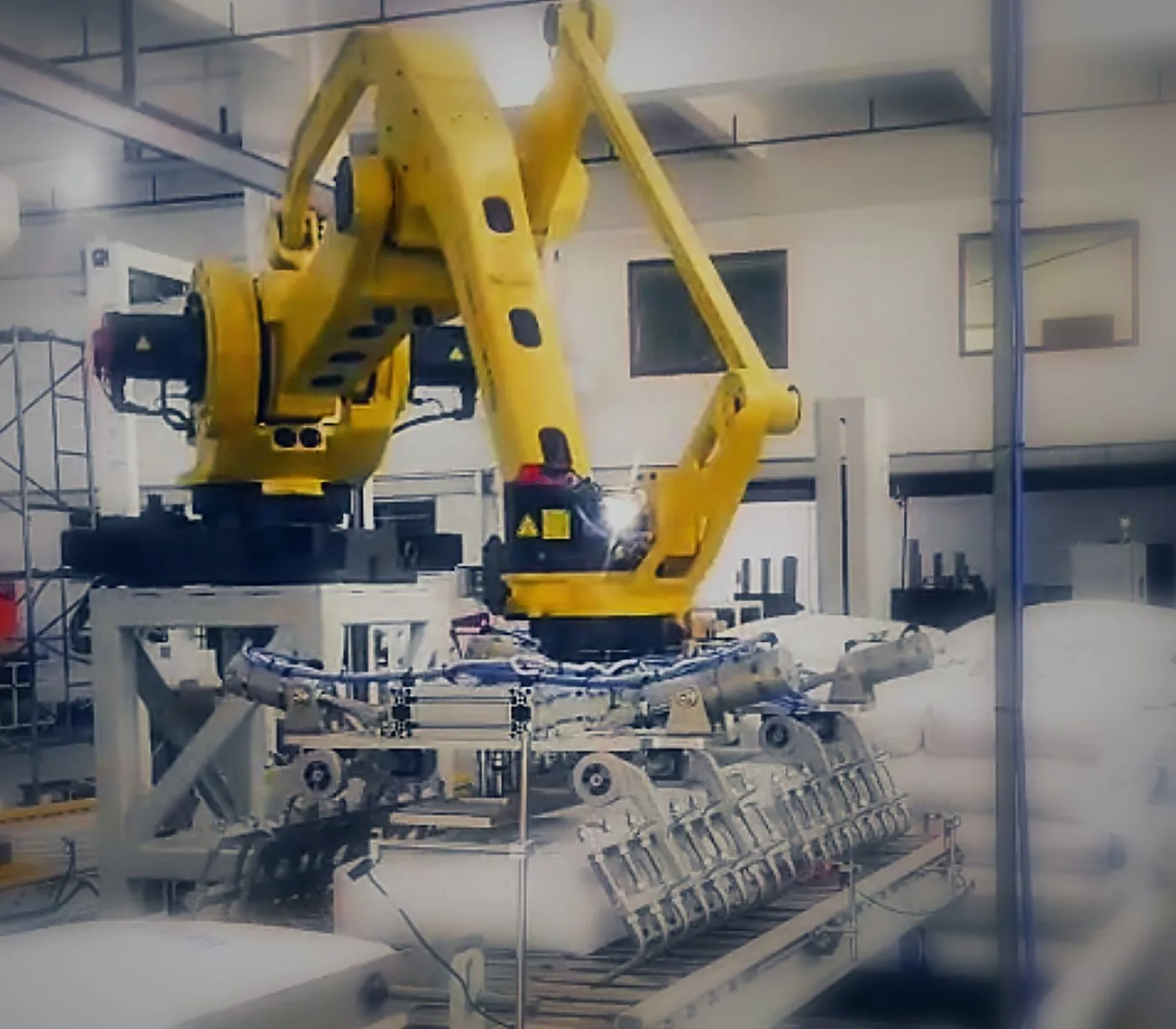
Many factories in East Java are moving to robot palletizers, AGVs, and AMRs. A conveyor bought today should be ready for that integration.
Make sure fabrication tolerances are sufficiently precise, sensor mounting points are provided, and the structure is rigid enough. That way, the line won't need to be dismantled when automation is added.
Written by the MK Technindo Team · 12 June 2026